
Service — Statewide Dulles corridor
Training in Northern Virginia
OSHA 1910.178 requires that operators be trained, evaluated and certified before operating a powered industrial truck, with re-evaluation at least every three years and sooner after an incident, a near miss, an assignment to a different type of truck, or a change in workplace conditions.
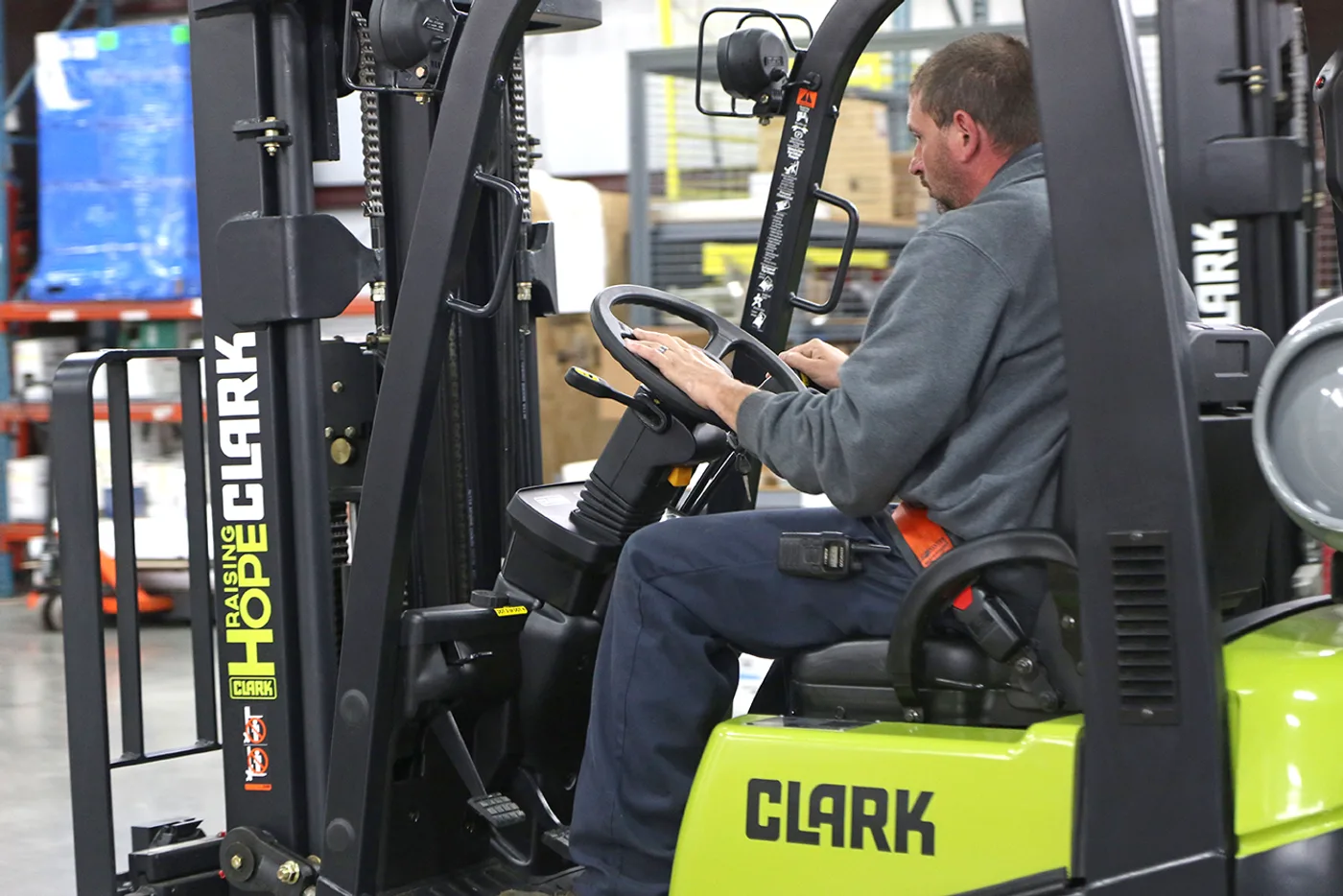
Forklift Operator Training for warehouses across the Dulles corridor. Free, no-obligation estimates.
Overview
Forklift Operator Training in Northern Virginia
OSHA 1910.178 requires that operators be trained, evaluated and certified before operating a powered industrial truck, with re-evaluation at least every three years and sooner after an incident, a near miss, an assignment to a different type of truck, or a change in workplace conditions. We deliver training and evaluation on site, on your equipment, in your building. That is not a convenience — the standard requires the practical evaluation to reflect the actual workplace, and a certificate earned in someone else’s warehouse on someone else’s truck does not meet it cleanly.
- Evaluation reflects your building, your trucks and your hazards
- Documented certification you can produce on request
- Fewer incidents, less rack and product damage
- Refresher scheduling tracked so certifications do not lapse
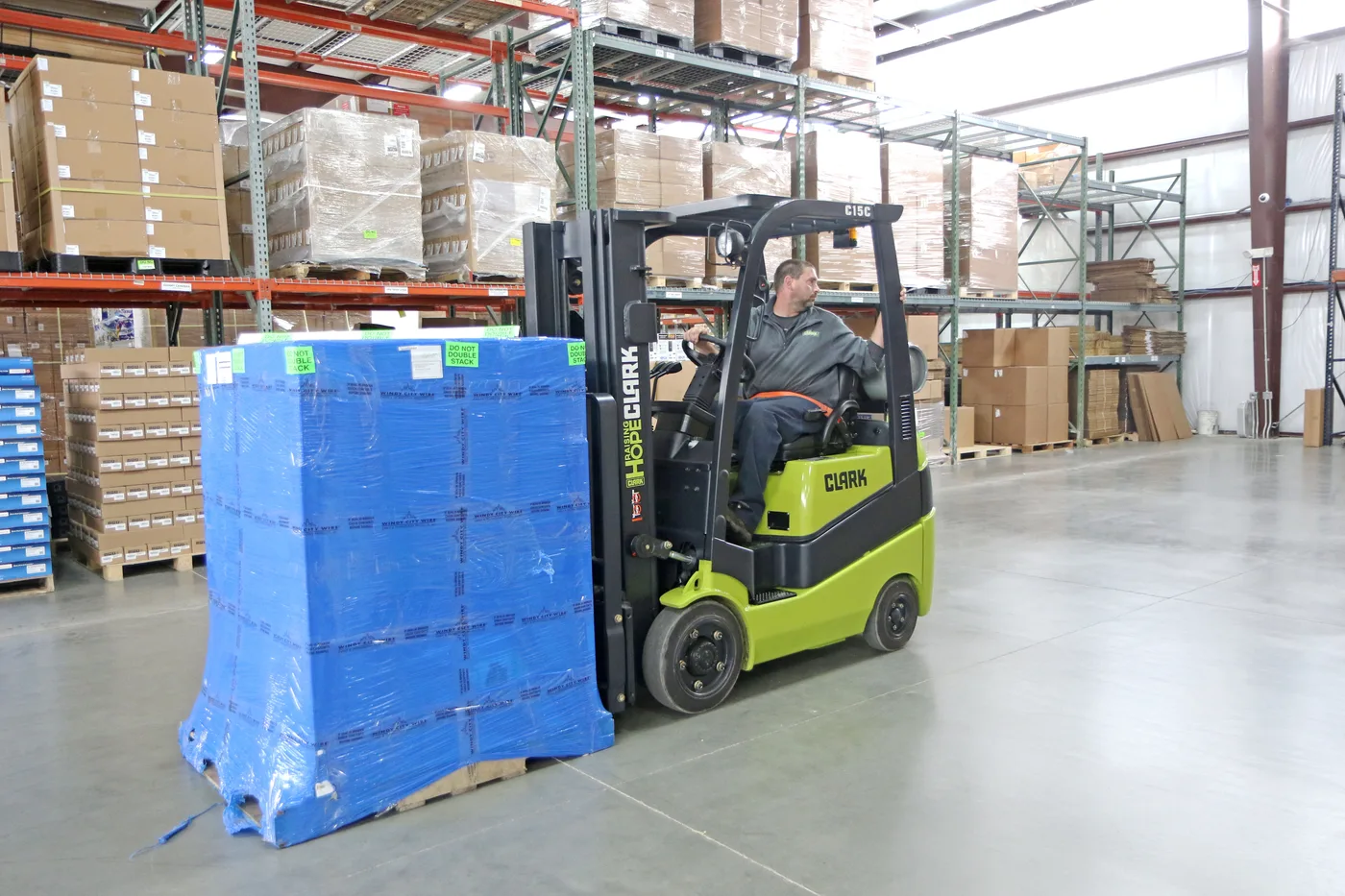

What's included
What you get
- OSHA 1910.178 compliant training and evaluation
- Delivered on site, on your equipment
- Formal instruction, practical training and performance evaluation
- Truck-type and workplace-specific content
- Re-evaluation and refresher training
- Written certification records for your files
How it works
The process
Scope the session
Which truck types, how many operators, what hazards exist in your building — ramps, dock work, narrow aisles, pedestrians, mixed traffic.
Formal instruction
Classroom content covering the standard, truck mechanics, stability, capacity and load handling, and the specific hazards of your site.
Practical training
Hands-on, on your equipment, in the areas operators will actually work.
Straight answers
Training questions
1 How often does certification need renewing?
At least every three years. Re-evaluation is also required sooner if an operator is involved in an accident or near miss, is observed operating unsafely, is assigned a different type of truck, or if conditions in the workplace change in a way that affects safe operation.
2 Can training happen at your site instead of ours?
The practical evaluation needs to reflect the workplace where the operator will actually work, so on-site is the right answer and the one we default to. The formal instruction portion is more flexible, but doing the whole thing in your building on your trucks is cleaner and is what the standard is built around.
3 Does an operator certified elsewhere need retraining?
Usually some, yes. Certification is specific to the truck type and to the workplace, so an operator arriving from another employer with a valid card still needs evaluation against your equipment and your site conditions before operating.
4 How long does a session take?
It depends on group size, truck types and how much experience the operators have. A refresher for experienced operators is considerably shorter than initial certification for new ones. We scope it against your group rather than quoting a fixed block.
More from us
Other services
Where we work
Training across the Dulles corridor
We deliver training to warehouses across Loudoun, western Fairfax and Prince William counties. Pick your area for the equipment that market actually runs and the applications we see there.
- Sterling, VA Training
- Ashburn, VA Training
- Dulles, VA Training
- Leesburg, VA Training
- Purcellville, VA Training
- Chantilly, VA Training
- Herndon, VA Training
- Reston, VA Training
- Fairfax, VA Training
- Centreville, VA Training
- Manassas, VA Training
- Gainesville, VA Training
- Bristow, VA Training
- Haymarket, VA Training